Full Stack Web Applications
React and Next.js frontends with Node.js, Express, and MongoDB backends. Built for maintainability under production load.
Available for full-time roles and contract work
HI, I'M
Full Stack Developer
Full Stack Developer
Full Stack Developer with 3+ years building web applications, REST APIs, AWS serverless systems, and blockchain integrations for startups and product teams.
0+
REST APIs built
0+
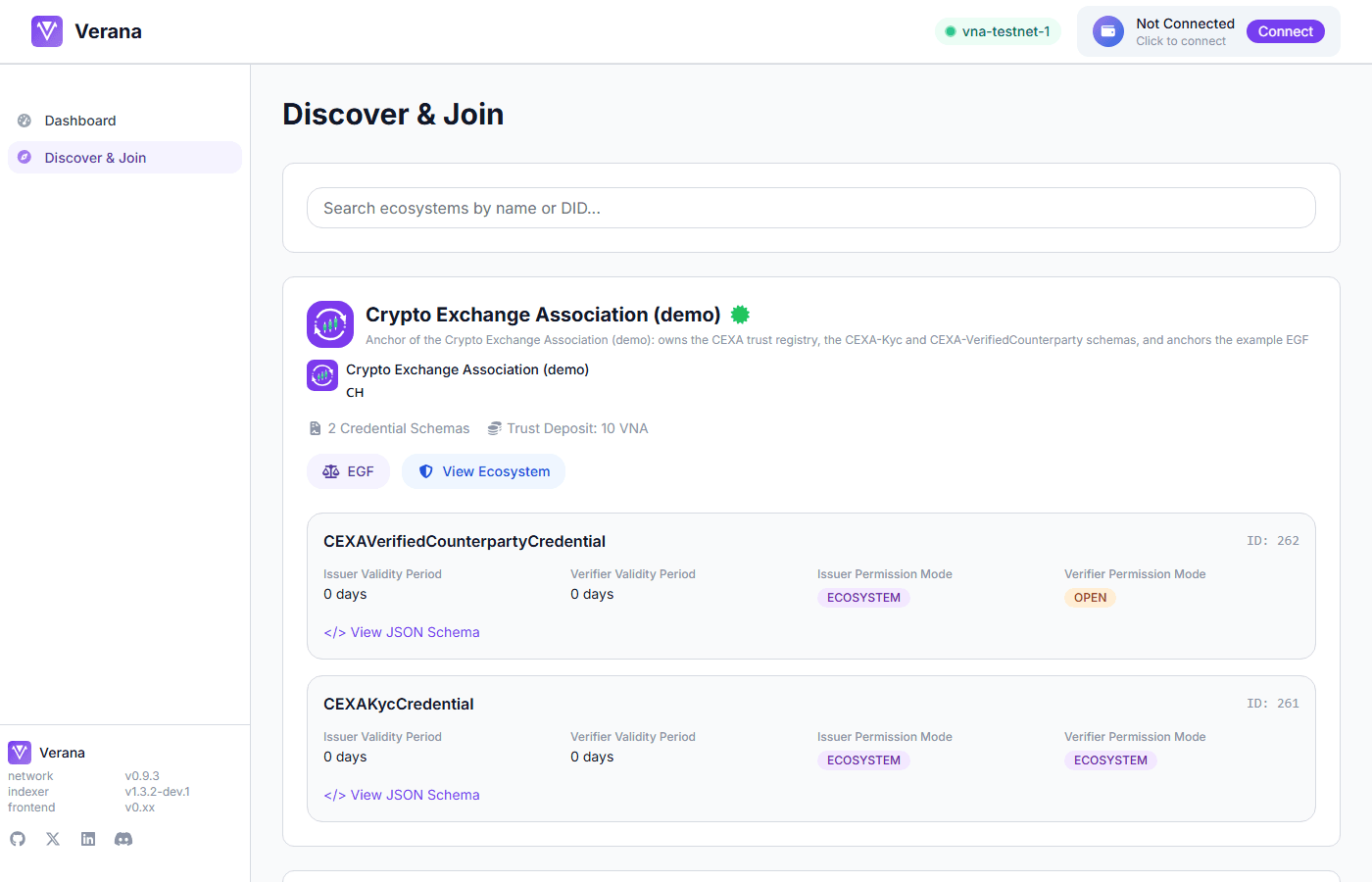
Blocks indexed (Verana)
0%
Fewer production defects
0+
SKUs automated (Senzi)
I work with React, Next.js, Node.js, Express, MongoDB, PostgreSQL, and AWS. Based in Lahore, Pakistan, and open to remote full-time and contract roles worldwide.
Day to day I design API contracts, ship React and Next.js interfaces, provision AWS resources, and keep releases stable through automated tests and monitoring. Clients hire me when they need one engineer who can own the full delivery path from architecture through production support.
Services
End-to-end development for teams that need an engineer to own implementation and delivery.
React and Next.js frontends with Node.js, Express, and MongoDB backends. Built for maintainability under production load.
APIs with authentication, validation, and third-party integrations for web, mobile, and partner use.
Lambda, API Gateway, DynamoDB, and RDS. Provisioned with Terraform and deployed through CI/CD.
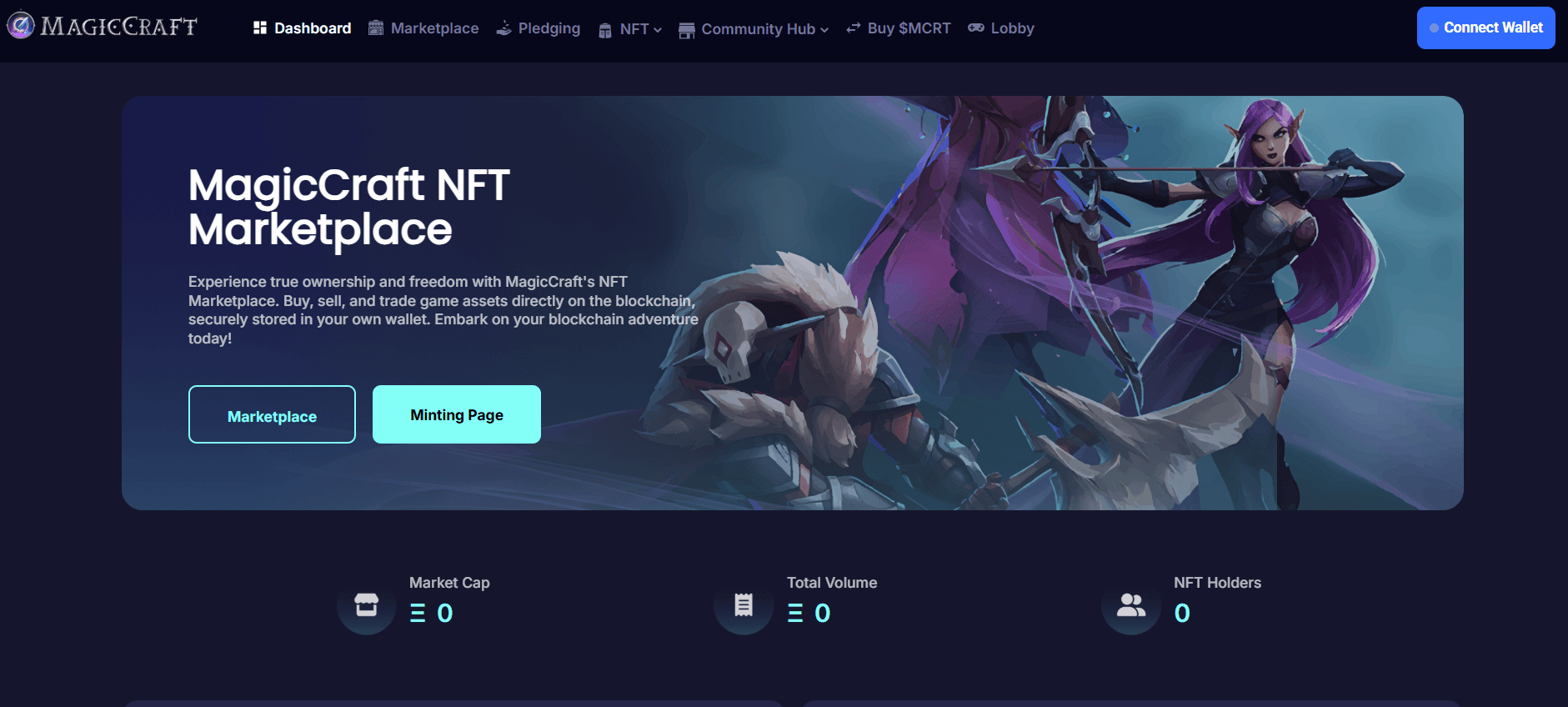
Smart contracts, wallet integration, RPC indexing, and on-chain data pipelines.
Database tuning, caching, load optimization, and monitoring for uptime and predictable response times.
Docker, Kubernetes, automated releases, and production support.
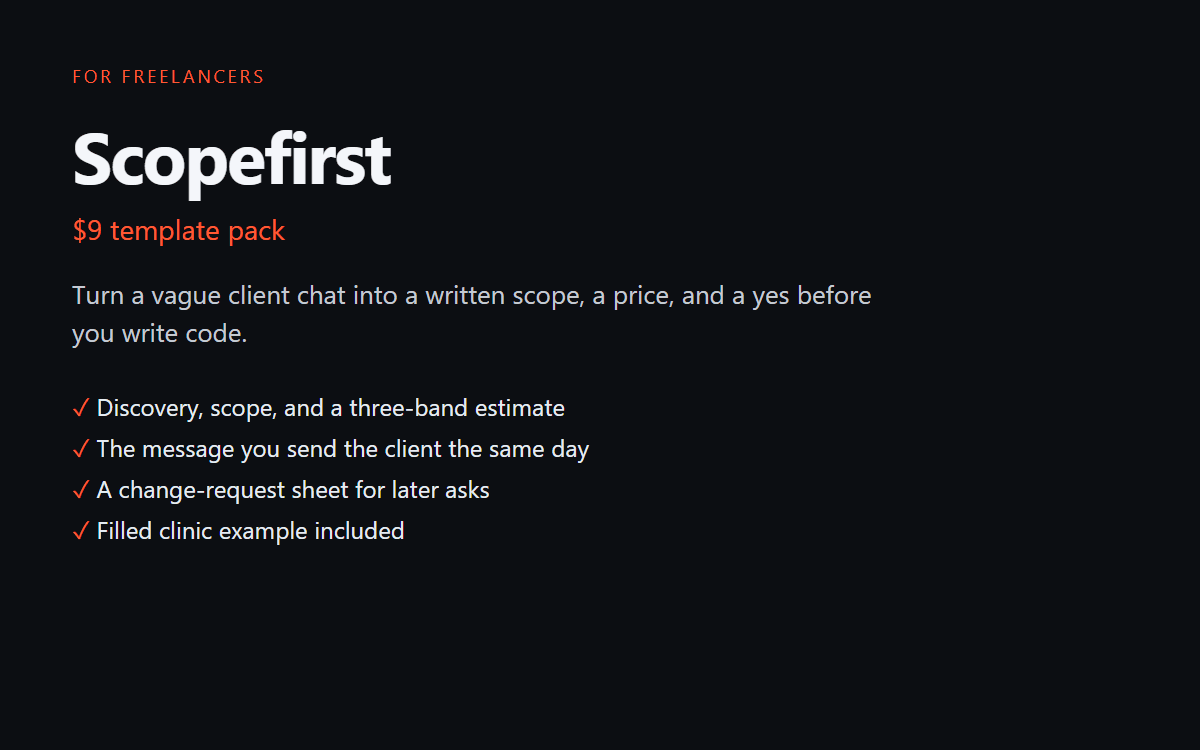
Fixed-scope milestones or ongoing contract work. Send your requirements. Prefer a product you can buy today? Jobrow ($9) or Scopefirst ($9).
About
Three years building production systems for startups and product teams across APIs, cloud infrastructure, modern frontends, and reliable deployments.
3+
Years of experience
26+
Projects completed
12+
Clients
15+
Production APIs
Over the last 3+ years, I've worked on web applications, backend services, cloud infrastructure, and blockchain-related projects. My primary stack includes React, Next.js, Node.js, MongoDB, PostgreSQL, and AWS.
Recent delivery includes a blockchain crawler and indexer, e-commerce platforms on AWS serverless, DeFi interfaces with wallet connectivity, and dropshipping systems with supplier API automation.
I focus on clear service boundaries, typed APIs, reliable data models, and deployment pipelines that teams can run without guesswork. That means fewer production defects, faster feature cycles, and documentation that other engineers can pick up quickly.
I work remotely from Lahore and have collaborated with startups, product teams, and international clients. Open to both full-time and contract opportunities focused on shipping maintainable production software.
Full Stack Software Engineer
Birxment · Remote
MERN Stack Developer
Exec9 · Remote
React.js Developer
Explore Logics · Lahore, Pakistan
Process
A clear delivery process from discovery through launch, designed for startups and product teams that need reliable full stack execution.
Every engagement starts with clarifying the product goal, technical constraints, and what success looks like in production. I map the current system, identify risks around data, auth, deployment, and third-party APIs, then propose a delivery plan with milestones the team can review early.
For web applications I build React and Next.js interfaces with TypeScript, accessible layouts, and clear component boundaries. On the backend I design REST APIs with validation, authentication, and predictable error handling so mobile and partner clients can integrate without guesswork.
Cloud work usually lands on AWS serverless: Lambda, API Gateway, DynamoDB or RDS, plus Terraform for infrastructure that can be recreated. For blockchain projects I focus on indexing, wallet flows, Solidity contract interfaces, and reducing expensive on-chain reads with cached API layers.
Before release I add automated tests where they protect critical paths, set up CI/CD, and document how to run, deploy, and monitor the system. After launch I help stabilize performance, fix production issues quickly, and hand over a codebase other engineers can extend without reverse engineering.
This process has supported e-commerce platforms, healthcare dashboards, DeFi interfaces, and blockchain indexers used by real users. The goal is always the same: ship maintainable software that stays reliable under load and is easy for the next engineer to own.
I prefer written requirements, short feedback loops, and demos at each milestone so stakeholders can validate progress before the next slice of work begins. That reduces rework, keeps scope honest, and makes it easier to measure delivery against business outcomes rather than activity alone.
When joining an existing codebase I start with the highest-risk paths: authentication, payments, data migrations, and deployment. From there I stabilize tooling, improve typing and tests where they pay off, and only then expand features so velocity does not come at the cost of production trust.
Stack
A concise overview of how frontend, backend, cloud, and Web3 skills combine on real product work.
Frontend delivery centers on React and Next.js with TypeScript. I build responsive interfaces, reusable component systems, and data-heavy dashboards that stay fast on mobile and desktop. Accessibility, predictable loading states, and clear empty states are part of the default quality bar.
Backend delivery centers on Node.js and Express REST APIs with strong validation and auth. Services talk to MongoDB or PostgreSQL depending on the data model, with Redis for caching and queues when background work needs isolation from request latency.
Cloud delivery centers on AWS serverless patterns: API Gateway, Lambda, DynamoDB, RDS, and Terraform-managed infrastructure. This keeps environments reproducible and makes it easier for a small team to operate production without a large platform staff.
Web3 delivery covers wallet connection flows, Solidity contract interfaces, and indexing layers that store chain data in PostgreSQL so product UIs are not blocked on expensive RPC reads. That pattern supported crawler and DeFi work with measurable reductions in direct on-chain traffic.
Across all of these layers I care about ownership: documented APIs, migration notes, deployment steps, and handover that lets another engineer continue without archaeology. That is how contract work stays valuable after the engagement ends.
FAQ
Practical answers for hiring managers and founders evaluating a full stack engagement.
I am available for full-time remote roles and contract work. Typical engagements include product engineering on React and Next.js frontends, Node.js REST APIs, AWS serverless platforms, and blockchain indexing or wallet-integrated web apps.
My primary stack is JavaScript and TypeScript with React, Next.js, Node.js, Express, MongoDB, PostgreSQL, Redis, and AWS services such as Lambda, API Gateway, DynamoDB, and RDS. For Web3 work I use Solidity, Ethers.js, and indexing pipelines that reduce direct RPC load.
I work in clear milestones with written updates, pull requests, and demoable increments. You get visibility into architecture decisions, risks, and trade-offs early enough to change direction without wasting a full sprint.
Yes. I regularly inherit production systems, improve reliability and developer experience, and ship features alongside existing engineers. I document as I go so the team is not blocked when the engagement ends.
I am based in Lahore, Pakistan (PKT) and collaborate with international clients across overlapping business hours. Remote-first communication via async updates plus scheduled calls works well for distributed product teams.
Both. I can start from a blank repository with architecture, CI/CD, and the first production release, or join a live product to reduce incidents, speed up delivery, and clean up API and database boundaries that slow the team down.
Week one focuses on discovery: access, architecture notes, risk list, and a short delivery plan. Week two usually ships the first milestone, such as an API slice, dashboard flow, or infrastructure foundation that stakeholders can review in a staging environment.
I prioritize tests around money paths, auth, and data integrity, then add monitoring and clear runbooks. The aim is not maximum coverage theater, but enough automated checks and operational clarity that releases stay predictable.
Yes. Common work includes right-sizing Lambda and database resources, caching hot reads, tightening IAM and networking, and removing chatty service calls that inflate latency and cloud spend without improving product outcomes.
Teams hiring a Full Stack Developer in Lahore often need one engineer who can move between product UI, API design, and cloud deployment without long handoffs. That is the shape of work I take on: own the implementation path, keep stakeholders informed, and leave behind systems that are operable after the project ends.
For startups, the priority is usually speed with guardrails: a maintainable Next.js or React frontend, a typed Node.js API, and an AWS footprint that will not surprise finance next quarter. For product companies, the priority is usually reliability and clarity: fewer production defects, cleaner service boundaries, and documentation that onboarding engineers can trust.
Engagements typically cover discovery, architecture notes, milestone delivery, staging demos, production release, and a short hypercare window. Communication stays written and specific so decisions about scope, risk, and trade-offs are easy to revisit. If you need MERN, Next.js, AWS serverless, REST APIs, or blockchain indexing delivered by someone who has shipped those systems before, the contact section is the fastest next step.
I also help teams recover velocity on existing products. That can mean untangling a slow release pipeline, replacing fragile RPC-heavy blockchain reads with an indexer, splitting a crowded admin dashboard into clearer workflows, or bringing TypeScript and tests into the hottest modules first. The common thread is practical engineering that protects users and keeps delivery measurable.
Whether the outcome is a new customer-facing app, an internal operations platform, or a cloud migration, success looks the same: working software in production, clear ownership, and a team that can continue without depending on tribal knowledge. That is the standard I use for full-time and contract collaborations alike.
Skills
JavaScript and TypeScript across React, Next.js, Node.js, Express, MongoDB, PostgreSQL, and AWS serverless.
01
Languages
Languages used for full-stack and smart contract development
02
Frontend
React and Next.js interfaces with TypeScript and CSS
03
Backend
Node.js services, REST APIs, and background workers
04
Databases
Relational, document, and cache layers for production workloads
05
Cloud & DevOps
AWS serverless, containers, and infrastructure as code
06
Blockchain
Smart contracts, indexing, and Web3 integrations
Projects
Production applications in e-commerce, fintech, and blockchain.
08 featured
 01
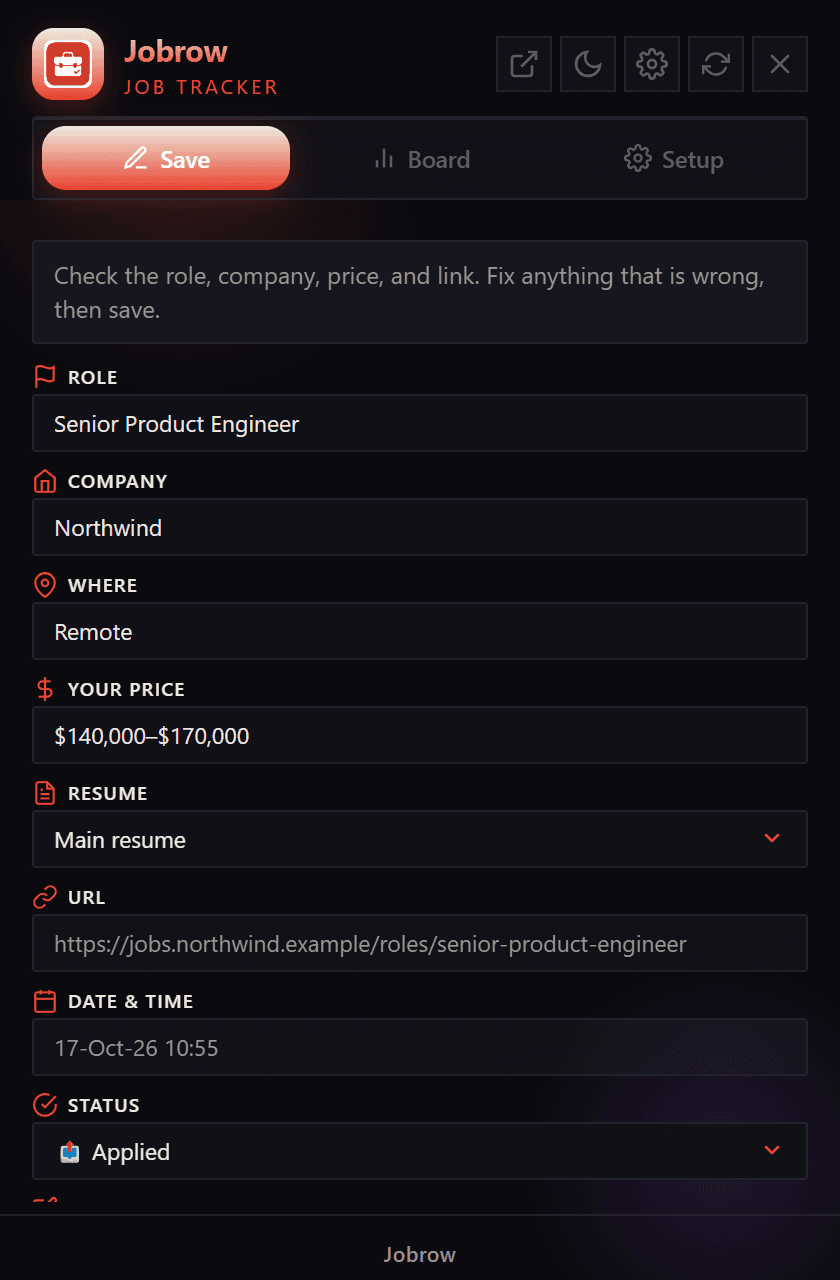
01Chrome extension that opens a preview when you click Apply, fills the role, company, price, and link, and keeps the search on your computer.
Experience
Full stack roles building REST APIs, cloud infrastructure, and web applications in Lahore and remote.
August 2025 - Present
Remote
Lead engineer on a blockchain indexer and an AWS serverless healthcare and e-commerce platform. Responsible for architecture, REST API development, and production deployment.
June 2024 - July 2025
Remote
Full stack developer on 6+ production applications across e-commerce, CMS, and Web3, from API design through frontend implementation.
July 2023 - May 2024
Lahore, Pakistan
Frontend developer migrating legacy HTML and WordPress sites to React.js and maintaining 8+ client-facing applications.
Testimonials
Feedback from engineering leads and founders on recent work.
“Ali owned the full stack on our blockchain indexer: architecture, APIs, and deployment. The system has been stable in production and his updates were clear and on schedule.”
Next step
Available for full-time and contract work: web applications, REST APIs, AWS infrastructure, and blockchain integrations.
Contact
Send your requirements, timeline, and technical constraints. I typically reply within one business day.
Available for full-time and contract work
Send an email
Phone
+92 309 7300913
Location
Lahore, Pakistan